Synthesis of metal oxide sol particles
Using our proprietary sol synthesis technology based on metal alkoxide precursors, we have developed and produced nano-sized metal oxide sol particles for optical material applications. We welcome requests for the synthesis of nano-sized metal oxide sol particles. Please feel free to contact us.
Nano-Sized Sol Synthesis Technology
We can track and precisely control the hydrolysis and condensation reactions of metal alkoxides using techniques such as kinematic viscosity measurement, particle size distribution analysis, and nuclear magnetic resonance (NMR) spectroscopy, enabling optimum film formability, film properties, and film durability to be achieved.
Relationship Between Sol Particle Reaction Conversion and Properties
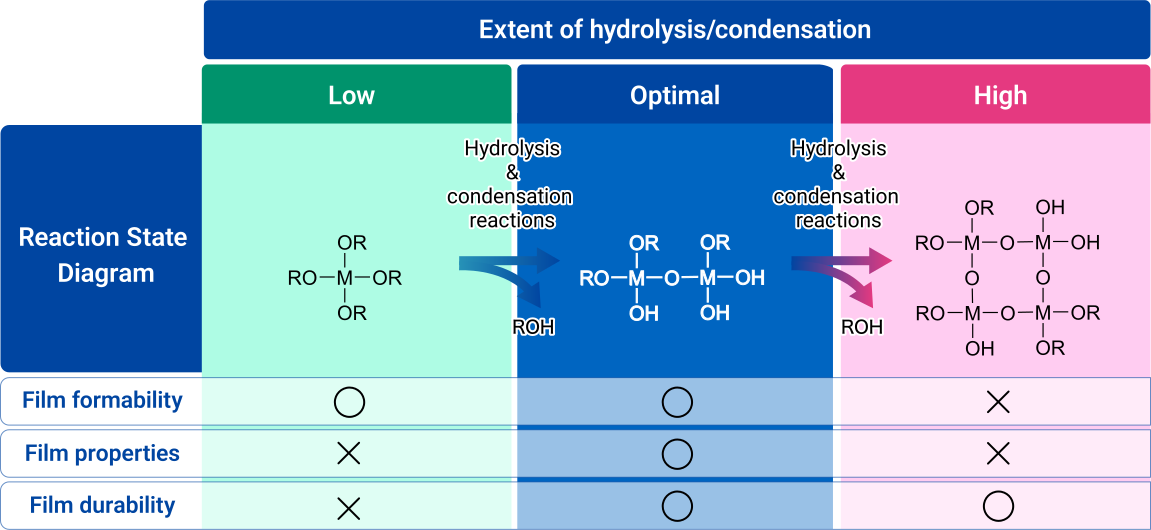
Example of Reaction Control in Sol Synthesis
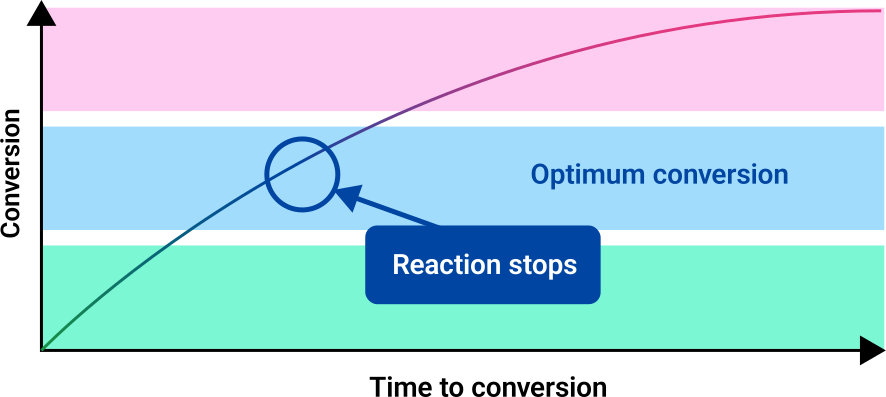
This control technique has made it possible to synthesize sol particles containing single-nano-sized particles, depending on the metal species. Another of our strengths is our ability to design optimal processes for stable production, leveraging our years of accumulated expertise in reaction factors.
Examples of Our Synthesis of Highly Transparent Nano-Sized Sol Solutions
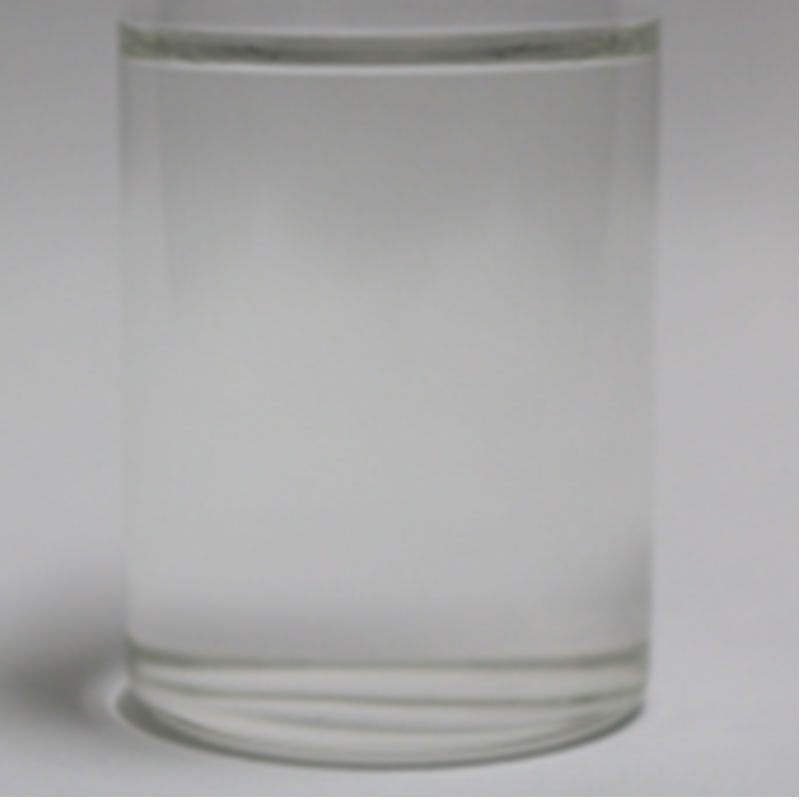
The various nano-sized metal oxide sol particles synthesized by our sol synthesis technology are highly dispersed with virtually no aggregation or precipitation, resulting in characteristically high transparency. This enables the formation of transparent and uniform thin films on the order of tens of nanometers on substrates where transparency is a priority.
Sol Solution Appearance
| TiO2Sol Solution | ZrO2Sol Solution | Ta2O5Sol Solution | |
|---|---|---|---|
| Sol Liquid Appearance | 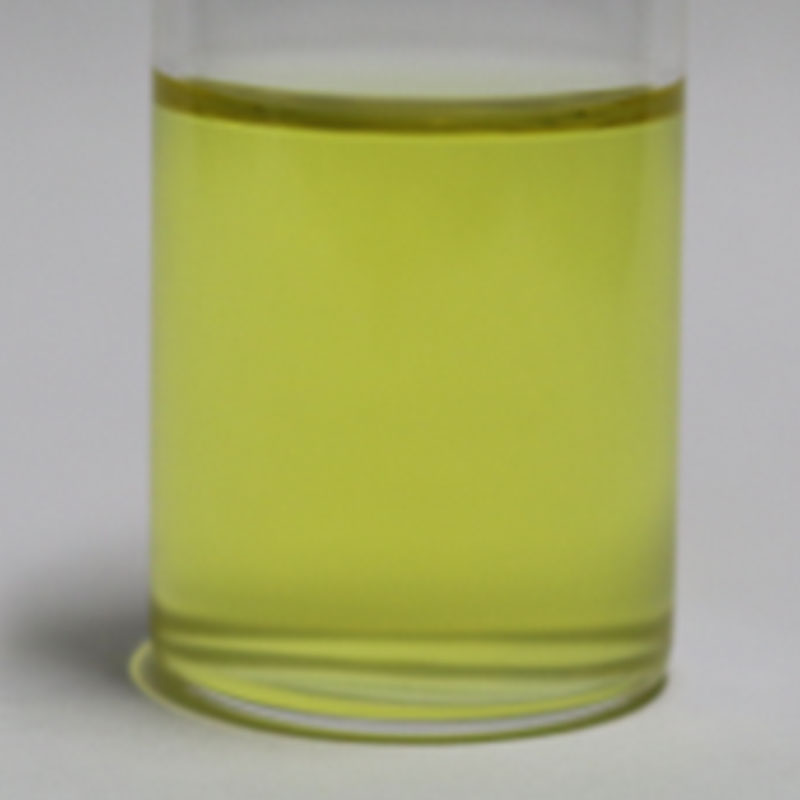 |
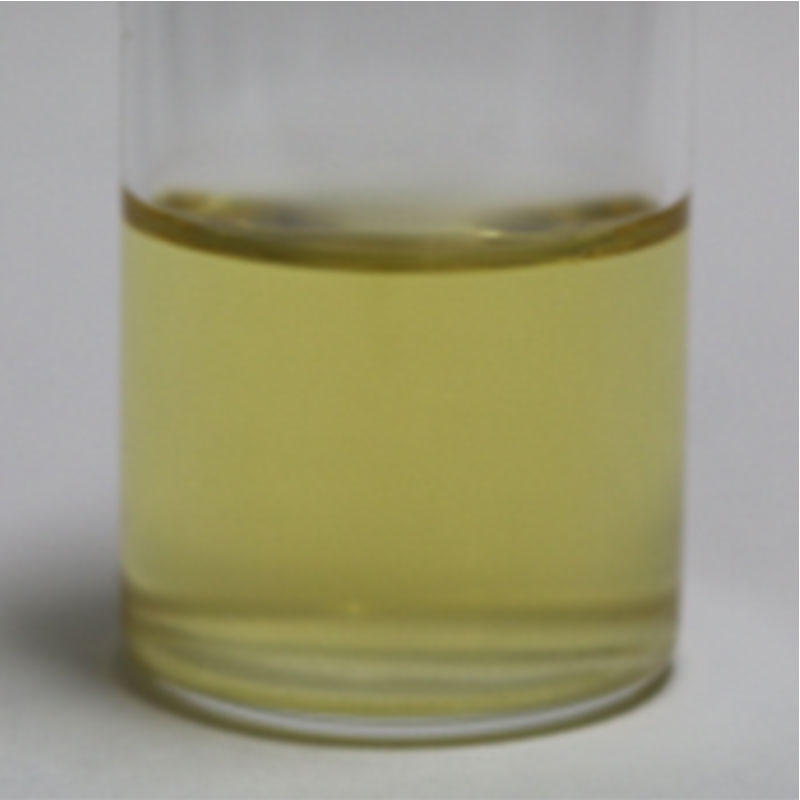 |
 |
| Thin film properties*1*1 | |||
| Substrate*2 | Optical glass | Optical glass | Optical glass |
| Optical film thickness(nm) | 80nm | 25nm | 28nm |
| Refractive Index*3 | 2.04 | 1.83 | 1.86 |
| Reflectance(%)*3 | 21% | 8.5% | 7.4% |
- *1 Film formation conditions: Spin coating (2,685 rpm, 60 s) ⇒ Firing (300°C for 2 hrs).
- *2 Other materials that can be used as substrates include acrylic sheets and stainless steel.
The above values are based on in-house evaluation. They may vary depending on the solid content of the sol solution, the film formation method, or type of substrate. - *3 Values are at a wavelength of 550 nm. The reflectance of optical glass not coated with sol solution is 4.2%.
Product Application Examples
Our sol particles are used in coating materials for a wide range of applications, including high, medium, and low refractive index materials, hydrophilic materials, water-repellent materials, anti-reflective agents, and photocatalytic materials.



Related Information
-
Our Strengths
We manufacture high-purity chemical materials for electronic and optical applications.
Click here for details

-
Hydrophilic materials
We offer materials with hydrophilicity, transparency, and photocatalytic properties, providing excellent self-cleaning functionality
Click here for details
-
Anti-reflective agents
We produce optical materials based on technology cultivated through the manufacture of anti-reflective agents for camera lenses
Click here for details